




The Role of Luck in Casino Games
Luck plays a crucial role in many casino games, particularly those classified as games of chance. In these games, outcomes are predominantly determined by random events, making skill less significant in influencing results. Games like slot machines and roulette are quintessential examples where the spin of the wheel or the pull of a lever can lead to a win or loss, regardless of a player’s experience or knowledge. Additionally, players analyzing nrl betting odds may find themselves drawn into the excitement, as this reliance on luck can create an exhilarating atmosphere, with players often in suspense, hoping for a fortunate turn of events.
While players may employ various strategies or betting systems in luck-based games, their overall effectiveness is minimal due to the inherent randomness of the outcomes. For instance, when playing slots, players cannot affect the result of each spin; hence, no amount of skill can influence whether the next spin will yield a jackpot. This element of unpredictability attracts many players who enjoy the thrill of gambling with no need for extensive knowledge or strategies. It’s often this thrill that keeps players returning to their favorite games, highlighting the undeniable allure of luck.
Certainly, stories of dramatic wins fueled by sheer luck pervade casino culture, further enhancing the appeal of these games. A single spin or roll can lead to life-altering wins, as exemplified in numerous testimonials of individuals hitting substantial jackpots on slot machines. This unpredictability creates a captivating dynamic, where players are lured by the potential for sudden success, reinforcing the belief that luck is a primary determinant in casino gaming outcomes.
The Importance of Skill in Casino Games
Contrasting the role of luck, skill becomes paramount in several casino games, especially those that require strategic decision-making and deeper knowledge of the game mechanics. Card games like poker and blackjack exemplify skill-based gaming where players can leverage their understanding of probability, psychology, and strategy to elevate their chances of winning. In poker, for instance, mastering the art of bluffing or carefully reading opponents can lead to significant advantages, often determining the outcome more than mere chance.
Skill enhances the gaming experience by introducing a layer of strategy that can be remarkably satisfying for players. In blackjack, a player’s ability to make calculated decisions—like whether to hit, stand, double down, or split—can significantly influence their odds against the dealer. This level of engagement fosters a sense of agency that is appealing; players feel they can influence the outcome through their choices, making the game more intellectually stimulating and rewarding.
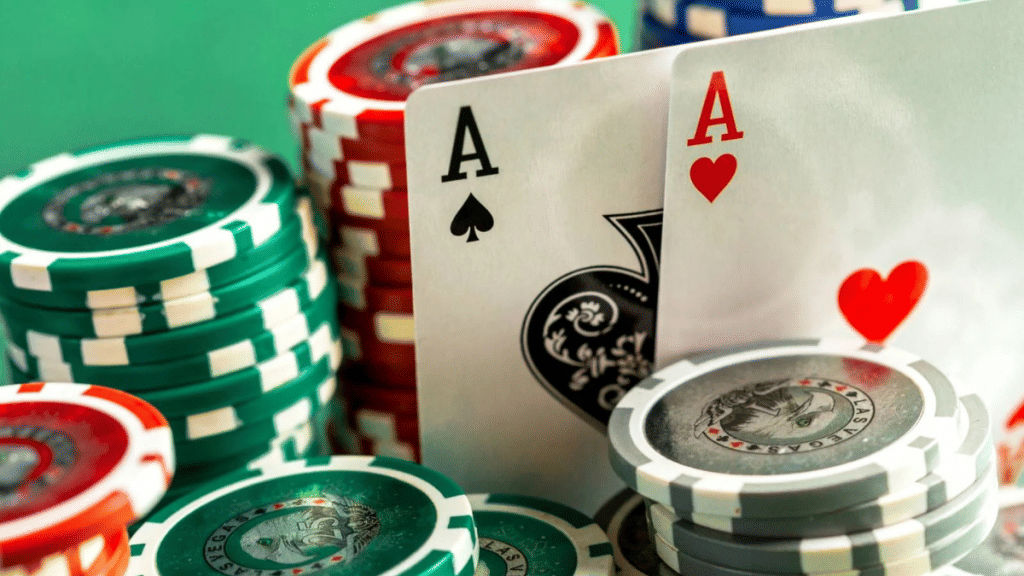
The debate between luck and skill often highlights the idea of variance in skill level among players. While beginners may struggle due to their lack of experience, seasoned players can consistently perform better over time, demonstrating that skill can lead to long-term profitability in skill-based games. This aspect nurtures a competitive environment, where the most skilled players often rise to the top, reinforcing the belief that, in certain casino games, skill outweighs luck in determining success.
The Debate: Luck vs. Skill
The ongoing debate about the importance of luck versus skill in casino games captures the imagination of gamblers and strategists alike. Many players firmly believe that while luck may influence short-term outcomes, only skill can yield consistent success over the long haul. This perspective gains traction particularly in games like poker, where skilled players often dominate less experienced opponents, leading to larger winnings over time as they refine their strategies.
Critics of the luck-centric view argue that the randomness inherent in many games does not diminish the importance of skill in those requiring strategic thinking. They contend that understanding game dynamics, opponent behavior, and statistical probabilities can empower players to make informed decisions that ultimately tilt the odds in their favor, regardless of the fleeting nature of luck. High-stakes poker tournaments exemplify this principle; seasoned professionals often outperform amateurs, showcasing the edge that skill provides in determining long-term outcomes.
This debate also extends into casino regulatory discussions. Some jurisdictions classify poker as a game of skill, allowing it to be played in a different legal framework than games of pure chance, such as slots. This differentiation reflects the recognition that skill can influence outcomes to a notable degree, leading to preferential treatment or different taxation structures for skill-based games, further illustrating the complex nature of luck versus skill in the gambling world.
The Psychological Aspects of Luck and Skill
The psychological elements of luck versus skill in casino gaming cannot be overlooked. Many players engage in cognitive biases that can skew their perception of luck and skill. For instance, the «hot streak» phenomenon often leads players to believe they are on a winning path due to their skill when, in reality, it is just a phase of variance and luck. This can encourage continued gambling behavior, as players attribute their wins to skill rather than acknowledging the roll of luck.

Conversely, those experiencing a «cold streak» may doubt their skills, feeling as though they are incapable of winning, even if their strategies remain sound. This psychological impact can lead to significant emotional swings and changes in betting behavior, further complicating the relationship between luck and skill. Understanding these dynamics is crucial for players seeking a balanced approach to gambling, as recognition of these biases can help in making more informed decisions and maintaining a healthy perspective on gaming outcomes.
Additionally, the thrill of luck can foster a sense of community and camaraderie among players. Sharing stories of sudden wins or lucky breaks adds to the collective experience of gambling. However, skill-based games often foster a different type of community, wherein players share strategies, tips, and experiences to improve their gameplay. Understanding these psychological factors can enhance the enjoyment and strategic approach to casino gaming, whether driven by luck or skill.
Learn More About Casino Gaming
For those seeking to explore the fascinating dynamics of luck and skill in casino gaming, a plethora of resources and communities are available. Various websites and forums provide an abundance of information on strategies, tips, and player experiences, catering to both beginners and seasoned players interested in improving their game. Engaging with the community not only enhances understanding but also enables players to share insights that can help demystify the role of luck versus skill.
Whether you are drawn to the excitement of luck-based games or the strategic depth of skill-focused ones, staying informed and connected can significantly enhance your gaming experience. By remaining adaptable and open to learning, players can navigate the nuanced landscape of casino games, maximizing enjoyment and potential rewards. Comprehensive guides and articles offer valuable insights into different games, helping players make informed decisions and refine their strategies.
Ultimately, understanding the interplay of luck and skill in casino games leads to a richer gaming experience. By acknowledging the uniqueness of each game and the psychological factors at play, players can approach gaming more thoughtfully, whether for sheer entertainment or the pursuit of skillful play. Explore and enjoy the intricate world of casino gaming while embracing both the luck that may come your way and the skills you can develop along the journey.